


The air inlet and outlet design of an industrial vertical air dryer is a critical factor that significantly impacts the drying process. As a leading supplier of industrial vertical air dryers, we have witnessed firsthand how the proper design of these components can enhance efficiency, improve product quality, and reduce operational costs. In this blog post, we will explore in detail how the air inlet and outlet design affects the drying performance of industrial vertical air dryers.
Air Inlet Design and Its Impact on Drying
The air inlet is the gateway through which fresh air enters the industrial vertical air dryer. The design of the air inlet determines the quantity, quality, and distribution of the incoming air, all of which are crucial for effective drying.
Quantity of Incoming Air
The size and number of air inlets directly influence the amount of air that can enter the dryer. A larger air inlet or multiple inlets allow for a greater volume of air to flow into the dryer, increasing the drying capacity. For example, in a large - scale industrial operation where a high throughput of products needs to be dried, a dryer with a well - sized and appropriately placed air inlet can ensure that sufficient air is supplied to meet the demand. However, if the air inlet is too small, the air supply will be restricted, leading to slower drying times and reduced productivity.
Quality of Incoming Air
The air inlet can also be designed to filter and condition the incoming air. By installing filters at the air inlet, we can remove dust, debris, and other contaminants from the air. This is particularly important in industries where product purity is crucial, such as the food and pharmaceutical industries. Clean air not only protects the product from contamination but also extends the lifespan of the dryer's internal components. Additionally, the air inlet can be equipped with pre - heaters to warm the incoming air, which can accelerate the drying process. Heated air has a higher capacity to hold moisture, allowing it to remove more water from the product being dried.
Distribution of Incoming Air
Proper distribution of the incoming air is essential for uniform drying. The air inlet design should ensure that the air is evenly distributed across the drying chamber. This can be achieved through the use of diffusers or baffles at the air inlet. These devices help to break up the incoming air stream and direct it in a more uniform manner. For instance, in a vertical air dryer used for drying grains, an evenly distributed air flow ensures that all the grains are exposed to the same amount of drying air, preventing uneven drying and potential spoilage.
Air Outlet Design and Its Impact on Drying
The air outlet is responsible for expelling the moist air from the industrial vertical air dryer. The design of the air outlet affects the pressure inside the dryer, the removal efficiency of moisture, and the overall energy consumption.
Pressure Inside the Dryer
The size and configuration of the air outlet play a key role in maintaining the proper pressure inside the dryer. A well - designed air outlet allows the moist air to exit the dryer smoothly, preventing the build - up of excessive pressure. If the air outlet is too small, the pressure inside the dryer will increase, which can disrupt the air flow pattern and reduce the drying efficiency. On the other hand, if the air outlet is too large, it may lead to a loss of hot air, increasing energy consumption.
Removal Efficiency of Moisture
Efficient removal of moisture from the dryer is crucial for achieving the desired drying results. The air outlet should be designed to maximize the extraction of moist air. This can be accomplished by creating a negative pressure zone near the air outlet, which helps to draw the moist air out of the dryer. Additionally, the air outlet can be connected to a moisture - removal system, such as a condenser or a dehumidifier, to further enhance the moisture - removal process. For example, in a textile drying application, a high - efficiency air outlet design can ensure that the moist air containing water vapor is quickly removed from the dryer, preventing re - wetting of the textiles.
Energy Consumption
The design of the air outlet can also have a significant impact on energy consumption. By optimizing the air outlet design to ensure efficient moisture removal, we can reduce the need for excessive heating or extended drying times. For instance, if the moist air is quickly and effectively removed from the dryer, the dryer can operate at a lower temperature and for a shorter period, resulting in energy savings. Moreover, the use of energy - recovery systems at the air outlet, such as heat exchangers, can capture the heat from the outgoing moist air and reuse it to pre - heat the incoming fresh air, further reducing energy consumption.
Real - World Examples and Case Studies
To illustrate the importance of air inlet and outlet design, let's consider some real - world examples. In a food processing plant that uses an industrial vertical air dryer to dry fruits and vegetables, the original air inlet design had a single, small opening. This led to uneven air distribution and slow drying times. After upgrading to a larger air inlet with multiple diffusers, the drying time was reduced by 30%, and the product quality improved significantly.
In another case, a chemical manufacturing company was experiencing high energy consumption in their vertical air dryer. The problem was traced to an inefficient air outlet design that was causing a build - up of pressure inside the dryer. By installing a new air outlet with a better - designed pressure - relief mechanism and a connected moisture - removal system, the energy consumption was reduced by 20%, and the drying efficiency increased by 25%.
Related Products and Their Role in Drying
As a supplier of industrial vertical air dryers, we also offer other related products that can complement the drying process. For example, our Stainless Steel Sink with Brushed Finish can be used in conjunction with the dryer for pre - treatment or post - treatment processes. The smooth and durable surface of the sink makes it suitable for washing and rinsing products before drying or for collecting and cleaning the dried products.
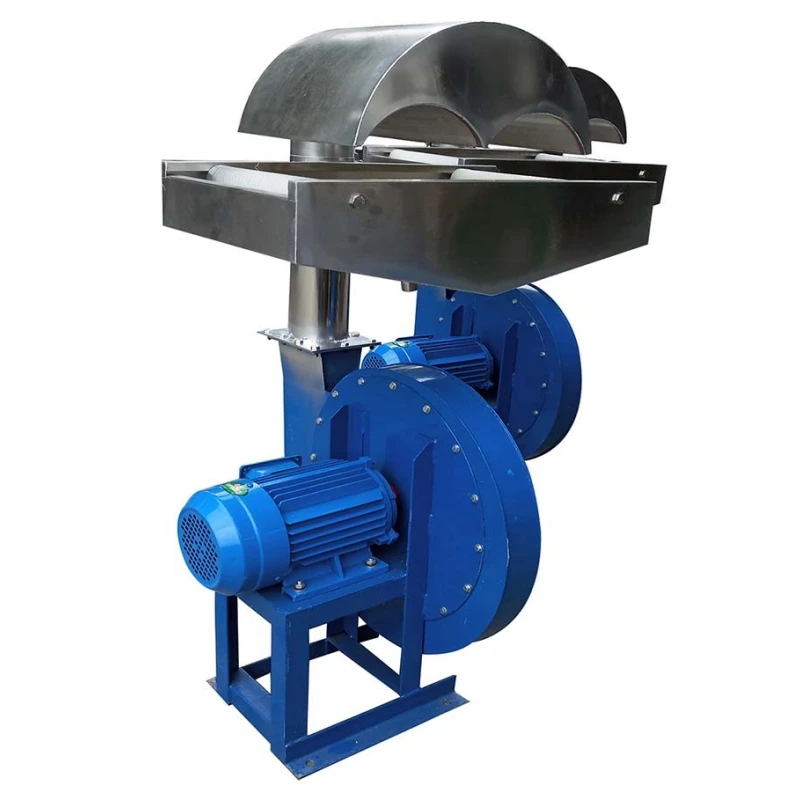
Our Electric Fan Water Blower can be used to enhance the air flow in the dryer. By providing an additional source of air movement, the blower can help to improve the distribution of air inside the drying chamber, leading to more uniform drying.
Importance of Choosing the Right Supplier
When it comes to industrial vertical air dryers, choosing the right supplier is crucial. A reliable supplier, like us, has the expertise and experience to design air inlets and outlets that are optimized for your specific drying needs. We understand the different factors that affect drying, such as the type of product, the required drying time, and the energy efficiency requirements. Our team of engineers can work closely with you to customize the air inlet and outlet design of your industrial vertical air dryer to ensure maximum performance.
Contact for Purchase and Consultation
If you are interested in our Industrial Vertical Air Dryer or have any questions about the air inlet and outlet design, we encourage you to contact us. Our sales team is ready to provide you with detailed information, offer technical support, and discuss your specific requirements. We are committed to helping you achieve the best drying results with our high - quality products.

References
- Mujumdar, A. S., & Devahastin, S. (2000). Handbook of industrial drying. Marcel Dekker.
- Keey, R. B. (1978). Principles of gas - solid drying. Pergamon Press.


