


Hey there! As a crusher supplier, I'm super stoked to chat about the hydraulic systems used in crushers. Hydraulic systems play a crucial role in the operation of crushers, and understanding their functions can really help you make the most of these powerful machines.
First off, let's talk about what a hydraulic system is. In simple terms, a hydraulic system uses fluid to transmit power. It's like a network of pipes and cylinders that work together to move parts of the crusher. This system is made up of a hydraulic pump, which creates pressure, hydraulic fluid that carries the power, and various valves and cylinders that control the movement.
One of the main uses of hydraulic systems in crushers is for adjusting the crusher's settings. For example, you might want to change the size of the output material. With a hydraulic system, you can easily adjust the gap between the crusher's jaws or the distance between the crushing plates. This is super handy because it allows you to customize the output according to your specific needs. Whether you're working on a small project or a large - scale industrial operation, being able to fine - tune the crusher's settings can make a big difference.
Another important function is for overload protection. Crushers often deal with hard and irregular materials. Sometimes, they might encounter a piece of material that's too tough or too large to crush properly. When this happens, the hydraulic system can act as a safety mechanism. It can detect the excessive force and release pressure, preventing damage to the crusher. This not only protects the machine but also reduces downtime for repairs.
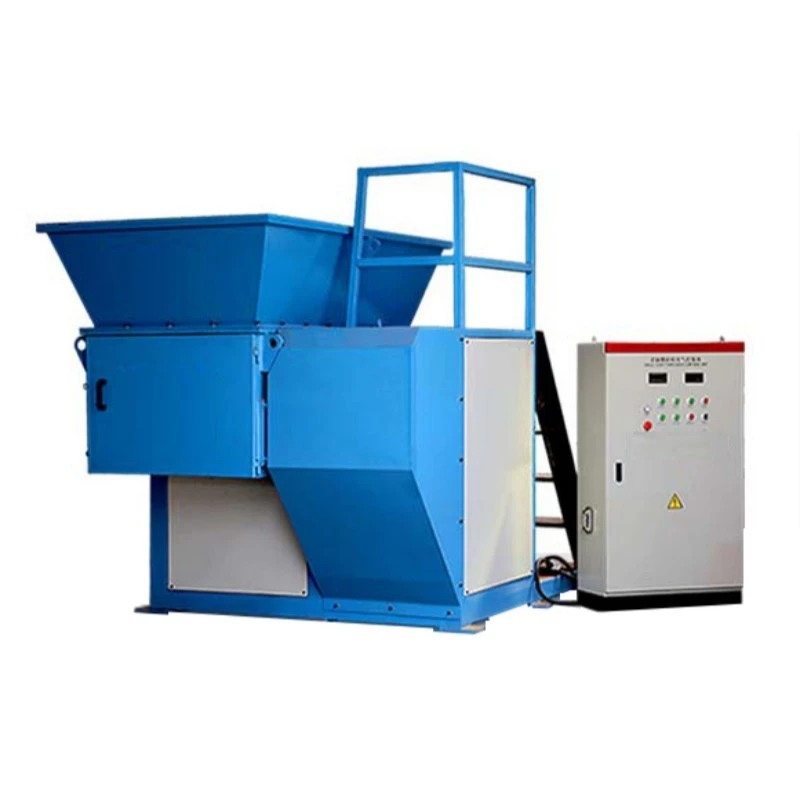
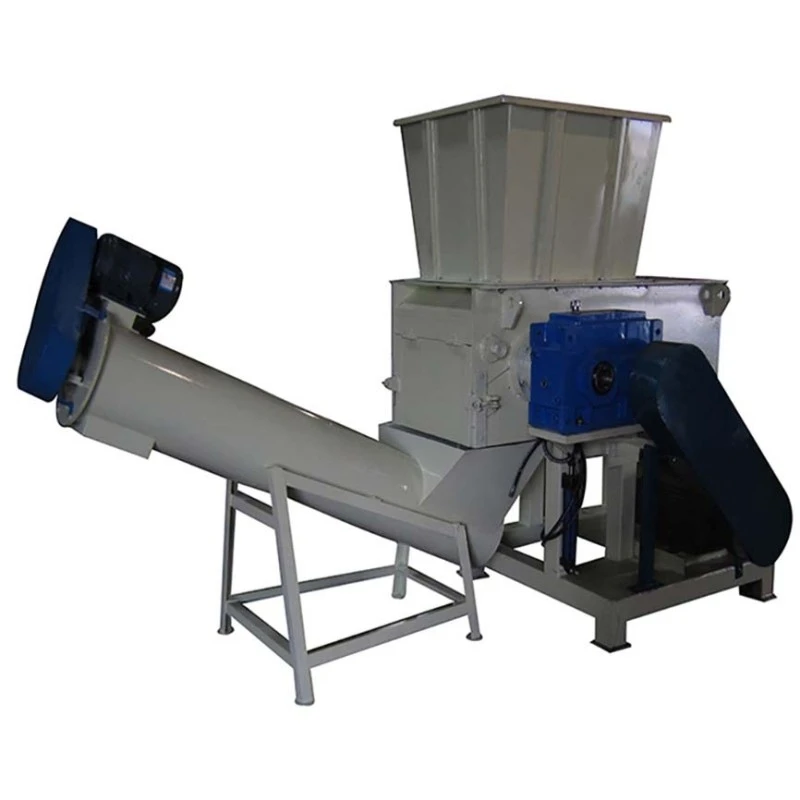
Hydraulic systems also play a key role in the opening and closing of the crusher. When it's time to perform maintenance or clear a blockage, the hydraulic system can quickly and easily open the crusher. This makes it much easier for operators to access the internal parts of the machine. It saves time and effort compared to traditional mechanical methods.
Let's take a look at some of the crushers we offer. We have a Bulk Material Crusher. This crusher is designed to handle large volumes of bulk materials. The hydraulic system in this crusher allows for precise control of the crushing process. It can adjust the crushing force according to the type of material being processed, ensuring efficient and effective crushing.
Our EPS Foam Crusher is another great example. EPS foam can be tricky to crush, but with the help of a hydraulic system, it becomes much easier. The hydraulic system provides the necessary power to break down the foam into smaller pieces. It also allows for easy adjustment of the crushing speed and pressure, making it suitable for different types of EPS foam.
And then there's our Industrial Plastic Shredder. Industrial plastics can be very tough, but the hydraulic system in this shredder can handle the job. It provides the high - pressure force needed to shred the plastic into small pieces. The hydraulic control also allows for smooth and continuous operation, reducing the risk of jams.
Now, you might be wondering how all these hydraulic systems work together with the crushers. Well, it's all about the integration. The hydraulic system is carefully designed to fit the specific needs of each crusher. The pump, valves, and cylinders are all calibrated to work in harmony with the crusher's mechanical components. This ensures that the crusher operates at its best performance.
When it comes to maintenance, hydraulic systems are relatively easy to take care of. Regularly checking the hydraulic fluid level and quality is important. You also need to make sure that the valves and cylinders are working properly. If there are any leaks or malfunctions, they should be addressed immediately to prevent further damage.
In addition to the functions we've discussed, hydraulic systems in crushers also offer better energy efficiency. Compared to some other power transmission methods, hydraulic systems can transfer power more effectively. This means that the crushers can use less energy while still achieving high - performance results. It's not only good for the environment but also helps to reduce operating costs.
If you're in the market for a crusher, it's important to consider the quality of the hydraulic system. A well - designed hydraulic system can make a huge difference in the crusher's performance, reliability, and longevity. At our company, we take pride in offering crushers with top - notch hydraulic systems.
So, if you're interested in our crushers or want to learn more about how the hydraulic systems work, don't hesitate to get in touch. Whether you're a small business owner or a large industrial operator, we have the right crusher for you. Contact us today to start a conversation about your specific needs and how our crushers can help you achieve your goals.
References
- General knowledge of crusher technology and hydraulic systems.
- Product specifications of crushers and related hydraulic components.


