


As a supplier of Industrial Plastic Granulators, I often get asked about dust generation during the operation of these machines. It's a crucial topic for us and our customers, as controlling dust is not only about keeping a clean workspace but also about ensuring the safety and efficiency of the granulation process.
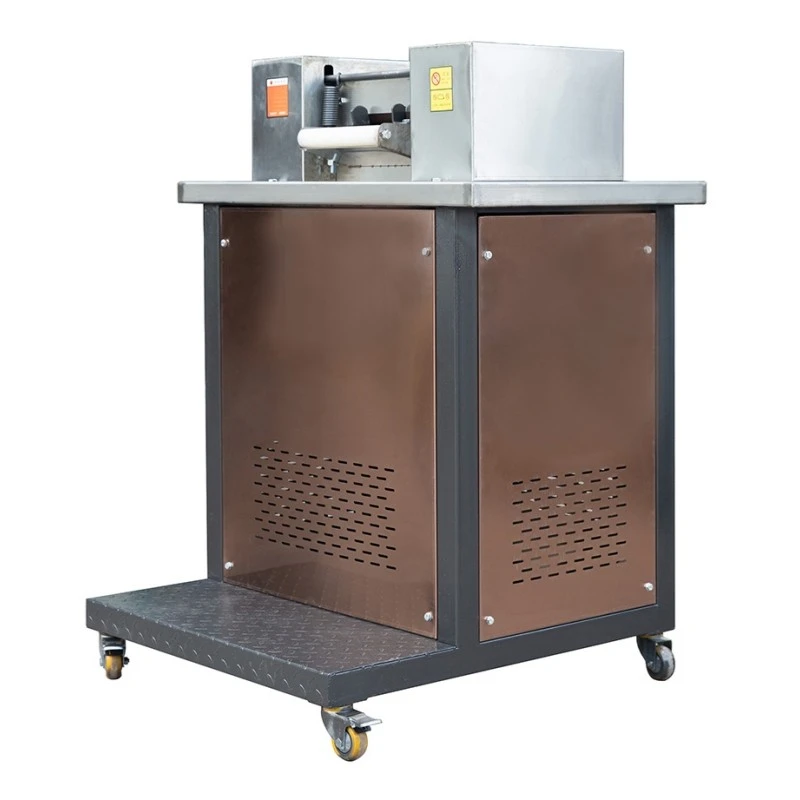
Let's first understand what industrial plastic granulators are. These machines are designed to transform large plastic materials into smaller, uniform granules. They're used in various industries, from packaging to automotive, where plastic recycling and reuse are common practices. We offer different types of granulators, like the Rotary Cutter Pelletizer and the Automatic Plastic Cutter, each with its own unique features and benefits, but they all face the issue of dust generation.
So, what exactly causes dust during the operation of an industrial plastic granulator? Well, there are a few key factors.
Friction and Cutting
When the granulator's blades cut through the plastic, friction is generated. This friction can cause tiny particles of plastic to break off, creating dust. The harder the plastic and the more intense the cutting action, the more dust is likely to be produced. For example, if you're granulating a thick, rigid plastic sheet, the blades have to work harder, and this can result in a significant amount of dust.
Material Properties
Different types of plastics have different properties, and these can affect dust generation. Some plastics are more brittle than others, which means they're more likely to shatter into small particles during the granulation process. For instance, polycarbonate, which is known for its strength but also its brittleness, can produce a fair amount of dust when granulated. On the other hand, more flexible plastics like polyethylene may generate less dust because they tend to deform rather than break apart.
Machine Design and Condition
The design of the granulator plays a big role in dust generation. A well - designed machine will have proper enclosures and airflow management to minimize the escape of dust. For example, if the granulator has a tight - fitting cover and a good ventilation system, it can capture and contain much of the dust. However, if the machine is old or poorly maintained, there may be gaps in the enclosures, allowing dust to leak out. Worn - out blades can also cause uneven cutting, leading to more dust production.
Feed Rate and Size
The rate at which you feed the plastic into the granulator and the size of the plastic pieces you're feeding can also influence dust generation. If you feed the plastic too quickly, the granulator may not be able to cut it properly, resulting in more dust. Similarly, if the plastic pieces are too large, the blades may struggle to break them down evenly, which can also increase dust production.
Now, you might be wondering why dust generation is such a big deal. Well, there are several reasons.
Safety Concerns
Inhaling plastic dust can be harmful to workers' health. Some plastics contain chemicals that can cause respiratory problems, skin irritation, or other health issues when inhaled. Additionally, dust in the air can be a fire and explosion hazard, especially if it accumulates in large quantities in a confined space.
Machine Performance
Dust can also affect the performance of the granulator itself. If dust builds up on the machine's components, it can cause overheating, premature wear, and even mechanical failures. This can lead to increased maintenance costs and downtime, which is bad for business.

Product Quality
Excessive dust can contaminate the plastic granules, affecting their quality. Dust - contaminated granules may have a different appearance, physical properties, or chemical composition compared to clean granules. This can make the granules unsuitable for certain applications, reducing their market value.
So, as a supplier, what can we do to help our customers manage dust generation?
Dust Collection Systems
We can offer granulators equipped with efficient dust collection systems. These systems use filters, fans, and ducts to capture and remove dust from the air. Some advanced systems can even separate the dust from the plastic granules, allowing for the reuse of the granules and proper disposal of the dust.
Machine Design Improvements
We're constantly working on improving the design of our Industrial Plastic Granulators to minimize dust generation. This includes using better - fitting enclosures, optimizing the blade design for cleaner cuts, and improving the airflow within the machine.
Operator Training
We also provide training to our customers' operators on how to operate the granulator in a way that reduces dust generation. This includes proper feeding techniques, regular maintenance procedures, and the importance of using personal protective equipment.
In conclusion, dust generation during the operation of an industrial plastic granulator is a multi - faceted issue. It's caused by factors such as friction, material properties, machine design, and feed rate. And it has significant implications for safety, machine performance, and product quality. As a supplier, we're committed to helping our customers overcome these challenges by providing high - quality equipment, effective dust management solutions, and comprehensive training.
If you're in the market for an industrial plastic granulator and want to learn more about how we can help you manage dust generation, don't hesitate to reach out to us. We're here to assist you in finding the best solution for your specific needs. Let's work together to make your plastic granulation process more efficient, safer, and more productive.
References
- Smith, J. (2020). Plastic Granulation Technology. Plastics Journal.
- Johnson, A. (2019). Dust Control in Industrial Processes. Industrial Safety Review.


