


Optimizing the energy-saving performance of an industrial plastic granulator is crucial in today's manufacturing environment. As a supplier of industrial plastic granulators, we understand the importance of energy efficiency not only for cost savings but also for environmental sustainability. In this blog post, we will discuss several strategies that can be employed to enhance the energy-saving capabilities of these machines.
1. Selecting the Right Granulator Model
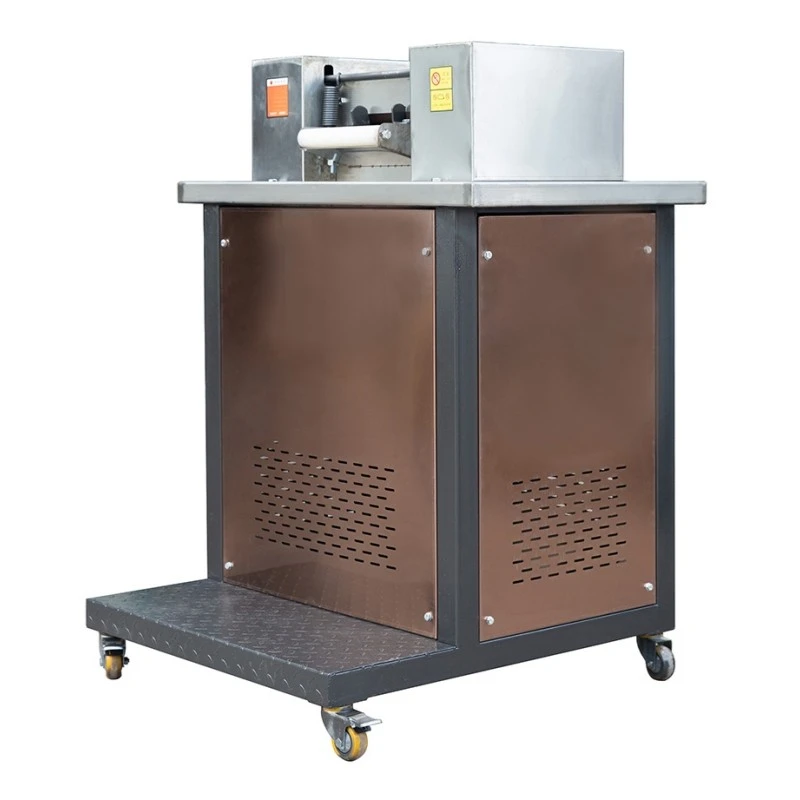
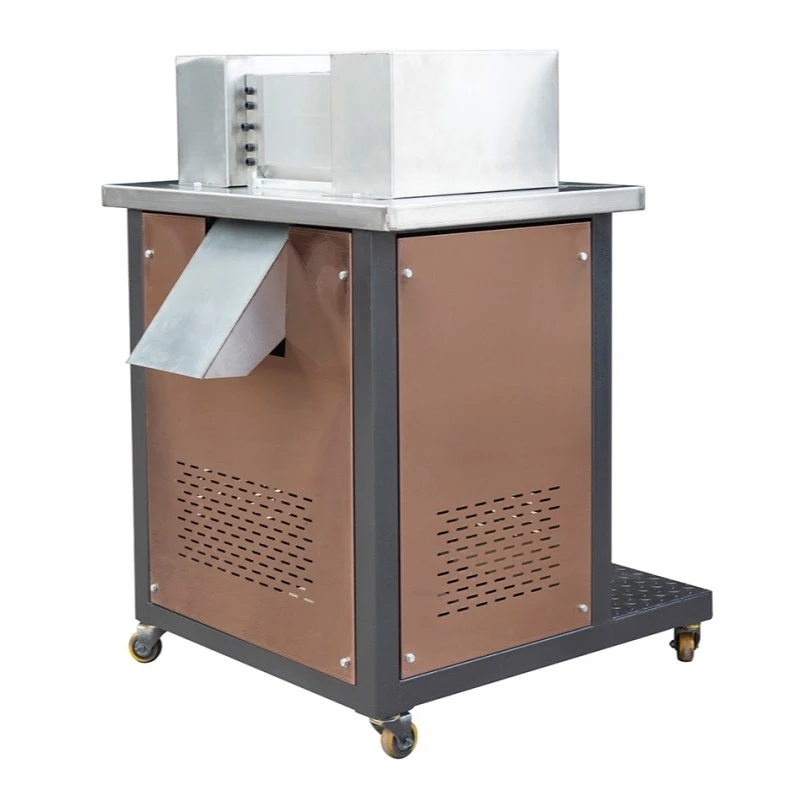
The first step in optimizing energy use is to choose the appropriate granulator model for your production needs. Different types of granulators, such as the Automatic Plastic Cutter, Rotary Knife Pelletizer, and Rotary Cutter Pelletizer, have varying energy requirements and performance characteristics.
For instance, a small-scale production facility may benefit from a compact and energy-efficient Automatic Plastic Cutter. These machines are designed to handle smaller volumes of plastic waste with minimal power consumption. On the other hand, large-scale operations may require a more robust Rotary Knife Pelletizer or Rotary Cutter Pelletizer, which can process high volumes of plastic at once. However, it's important to ensure that the selected granulator is properly sized for the production volume to avoid overworking the machine, which can lead to increased energy consumption.
2. Regular Maintenance and Upkeep
Proper maintenance is essential for keeping the energy-saving performance of an industrial plastic granulator at its best. Regularly cleaning and lubricating the machine's components can reduce friction, which in turn decreases the amount of energy needed to operate the granulator. For example, the cutting blades should be sharpened or replaced when they become dull. Dull blades require more power to cut through the plastic, leading to higher energy consumption.
In addition, checking and tightening all bolts and connections can prevent vibrations that can waste energy. A well-maintained granulator also runs more smoothly, reducing the risk of breakdowns and costly downtime. By implementing a comprehensive maintenance schedule, you can ensure that your granulator operates at peak efficiency and saves energy in the long run.
3. Optimizing the Cutting Process
The cutting process is one of the most energy-intensive aspects of plastic granulation. To optimize this process, it's important to consider the cutting speed, pressure, and blade design. Adjusting the cutting speed to match the type and thickness of the plastic being processed can significantly reduce energy consumption. For example, thinner plastics may require a lower cutting speed, while thicker plastics may need a higher speed.
Using the right blade design for the specific plastic material can also improve energy efficiency. Some blades are designed to cut through certain types of plastics more efficiently, reducing the amount of power needed to make the cuts. Additionally, maintaining the proper cutting pressure is crucial. Too much pressure can cause the machine to work harder than necessary, while too little pressure may result in incomplete cuts and require multiple passes, increasing energy use.
4. Implementing Energy-Efficient Motors
The motor is the heart of an industrial plastic granulator, and its efficiency plays a major role in the overall energy consumption of the machine. Upgrading to energy-efficient motors can lead to significant energy savings. These motors are designed to convert electrical energy into mechanical energy more effectively, reducing wasted energy in the form of heat.
Variable frequency drives (VFDs) can also be installed on the motors to control the speed and power consumption of the granulator. VFDs allow the motor to operate at different speeds depending on the load requirements, ensuring that the machine uses only the amount of energy needed for the task at hand. This can result in substantial energy savings, especially in applications where the production volume varies.
5. Recycling and Reusing Heat
During the plastic granulation process, a significant amount of heat is generated. Instead of letting this heat go to waste, it can be recycled and reused in other parts of the production process. For example, the heat can be used to preheat the plastic materials before they enter the granulator, reducing the energy needed to melt and process the plastic.
Heat exchangers can be installed to capture and transfer the heat from the granulator to other areas of the facility. This not only saves energy but also reduces the overall environmental impact of the production process. By implementing heat recycling systems, you can make your industrial plastic granulation operation more energy-efficient and sustainable.
6. Employee Training and Awareness
Finally, educating your employees about the importance of energy efficiency and how to operate the industrial plastic granulator in an energy-saving manner is crucial. Training programs can teach employees how to properly start and stop the machine, adjust the settings for different types of plastics, and perform basic maintenance tasks.
Encouraging employees to be aware of energy consumption and to report any issues or inefficiencies can also lead to significant energy savings. By creating a culture of energy awareness in the workplace, you can ensure that everyone is working together to optimize the energy-saving performance of the granulator.
In conclusion, optimizing the energy-saving performance of an industrial plastic granulator requires a combination of the right equipment selection, regular maintenance, process optimization, and employee training. By implementing these strategies, you can reduce your energy costs, improve the environmental sustainability of your operation, and enhance the overall efficiency of your plastic granulation process.
If you are interested in learning more about our industrial plastic granulators and how they can help you achieve energy savings, we invite you to contact us for a detailed discussion. Our team of experts is ready to assist you in finding the best solutions for your specific needs.
References
- Smith, J. (2020). Energy Efficiency in Plastic Manufacturing. Journal of Sustainable Manufacturing, 15(2), 45-53.
- Johnson, A. (2019). Optimizing Granulation Processes for Energy Savings. Industrial Plastics Review, 22(3), 67-74.
- Brown, C. (2018). The Role of Maintenance in Energy-Efficient Plastic Granulators. Manufacturing Technology Today, 18(4), 32-39.


