


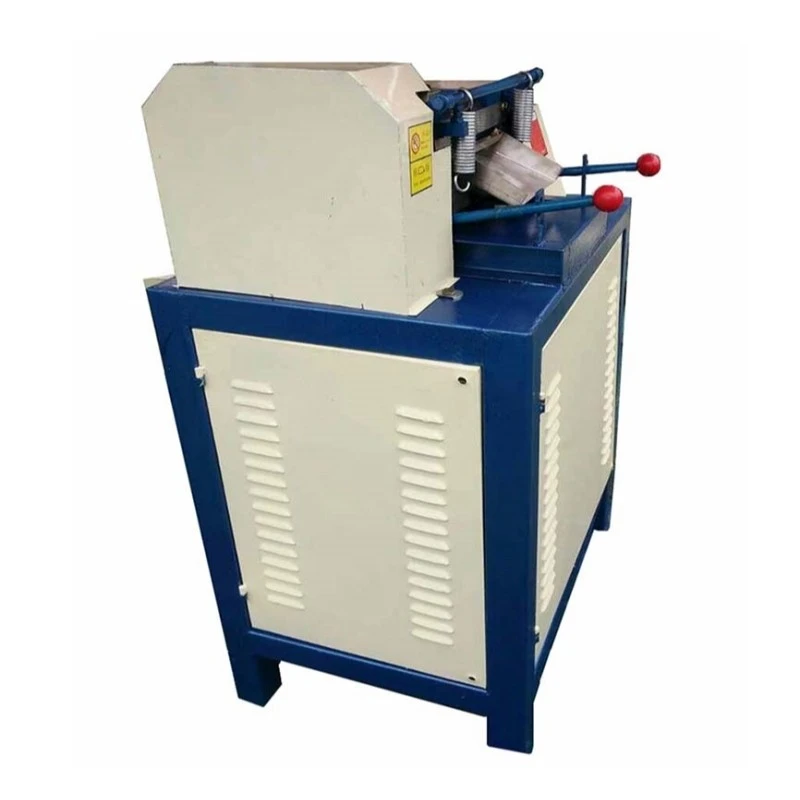
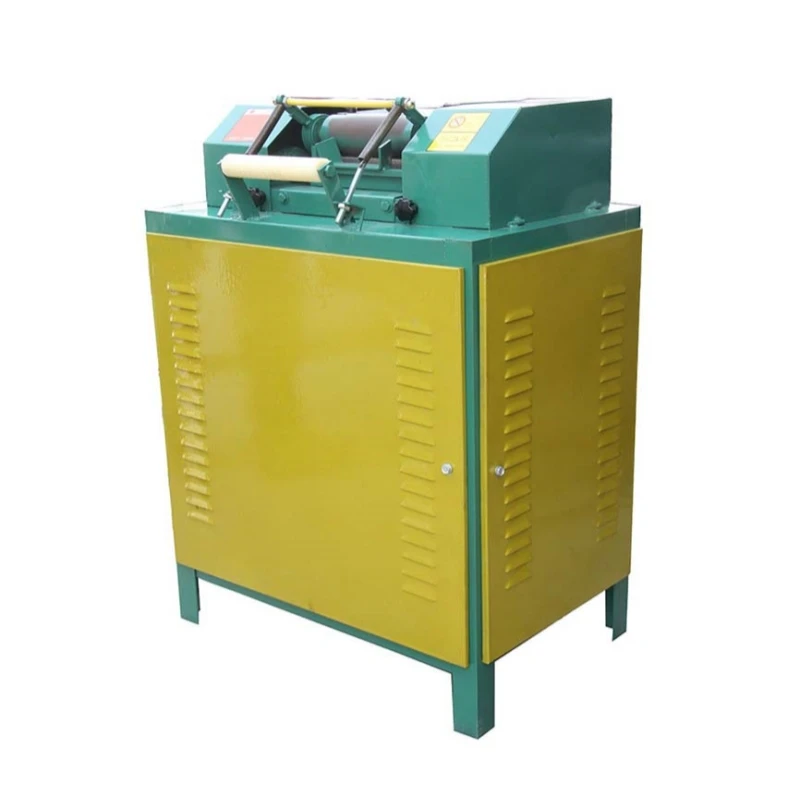
Optimizing the operating parameters of a Rotary Cutter Pelletizer is crucial for achieving high - quality pellet production. As a supplier of Rotary Cutter Pelletizer, I've had the chance to work closely with various clients and understand the ins and outs of these machines. In this blog, I'll share some practical tips on how to optimize the operating parameters of a Rotary Cutter Pelletizer.
Understanding the Basics of a Rotary Cutter Pelletizer
Before we dive into parameter optimization, let's quickly go over what a Rotary Cutter Pelletizer is. It's a machine used to transform plastic materials into small, uniform pellets. The basic components include a cutting chamber, a rotating knife system, and a feed mechanism. The quality of the pellets produced depends on how well these components work together, and that's where operating parameter optimization comes in.
1. Feed Rate
The feed rate is one of the most important parameters. If the feed rate is too high, the pellets may not be cut properly, resulting in irregular shapes and sizes. On the other hand, if the feed rate is too low, the production efficiency will be significantly reduced.
To optimize the feed rate, start by testing different rates on a small scale. Begin with a relatively low feed rate and gradually increase it while monitoring the quality of the pellets. You'll want to find the sweet spot where the pellets are of consistent size and shape, and the machine is running at an efficient production rate.
It's also important to consider the type of material being processed. Different plastics have different melting points and viscosities, which can affect how they flow through the pelletizer. For example, high - density polyethylene (HDPE) may require a different feed rate compared to polypropylene (PP).
2. Knife Speed
The speed of the rotating knives is another critical parameter. A higher knife speed can result in cleaner cuts and more uniform pellets. However, if the speed is too high, it can cause excessive wear on the knives and generate more heat, which may affect the quality of the pellets.
To find the optimal knife speed, you need to balance between cutting efficiency and knife wear. Start by referring to the manufacturer's recommendations, but don't be afraid to make small adjustments based on your own experience. You can use a tachometer to measure the actual knife speed and make sure it's within the desired range.
3. Cutting Chamber Temperature
The temperature inside the cutting chamber can have a significant impact on pellet quality. If the temperature is too low, the plastic may not be soft enough to be cut cleanly, leading to jagged edges on the pellets. If the temperature is too high, the plastic may melt and stick to the knives or the chamber walls.
To control the cutting chamber temperature, you can use a temperature sensor and a heating or cooling system. The ideal temperature depends on the type of plastic being processed. For example, PVC (polyvinyl chloride) has a lower melting point compared to PET (polyethylene terephthalate), so the cutting chamber temperature for PVC should be lower.
4. Knife Pressure
The pressure applied by the knives is also important. If the pressure is too low, the knives may not cut through the plastic effectively, resulting in incomplete cuts. If the pressure is too high, it can cause excessive wear on the knives and may even damage the machine.
You can adjust the knife pressure using the machine's pressure adjustment mechanism. It's a good idea to start with a relatively low pressure and gradually increase it while observing the cutting quality. Make sure to check the knives regularly for signs of wear and replace them when necessary.
5. Screen Size
The screen size determines the size of the pellets. A smaller screen size will produce smaller pellets, while a larger screen size will result in larger pellets. When choosing the screen size, you need to consider the end - use of the pellets.
For example, if the pellets are going to be used in injection molding, you may need a smaller screen size to ensure a more uniform melt flow. On the other hand, if the pellets are for extrusion, a larger screen size may be more suitable.
Comparison with Other Pelletizers
It's also worth comparing the Rotary Cutter Pelletizer with other types of pelletizers, such as the Closed Chamber Pelletizer and the Rotary Knife Pelletizer.
The Closed Chamber Pelletizer is designed to operate in a closed environment, which can help reduce dust and improve the quality of the pellets. It's often used for processing more sensitive materials. The Rotary Knife Pelletizer, on the other hand, is similar to the Rotary Cutter Pelletizer but may have some differences in the knife design and cutting mechanism.
Each type of pelletizer has its own advantages and disadvantages, and the choice depends on the specific requirements of your production process. However, by optimizing the operating parameters, you can get the best performance out of a Rotary Cutter Pelletizer.
Troubleshooting
Even with proper parameter optimization, you may encounter some issues during the operation of the Rotary Cutter Pelletizer. Here are some common problems and their solutions:
- Irregular Pellet Shapes: This could be due to an improper feed rate, knife speed, or knife pressure. Check these parameters and make the necessary adjustments.
- Pellets Sticking to the Knives or Chamber Walls: This may be caused by a high cutting chamber temperature. Lower the temperature and make sure the plastic is not over - heated.
- Excessive Knife Wear: If the knives are wearing out too quickly, it could be because the knife speed is too high or the pressure is too great. Adjust these parameters and replace the knives if necessary.
Conclusion
Optimizing the operating parameters of a Rotary Cutter Pelletizer is a continuous process that requires careful observation and adjustment. By paying attention to the feed rate, knife speed, cutting chamber temperature, knife pressure, and screen size, you can produce high - quality pellets efficiently.
If you're in the market for a Rotary Cutter Pelletizer or need more advice on optimizing its operating parameters, don't hesitate to reach out. We're here to help you get the most out of your pelletizing process.
References
- Plastic Pelletizing Technology Handbook.
- Various industry reports on plastic processing machinery.


